Underwrite more of the business that comes through your door.
Every commercial desk has more submissions than underwriters. What happens in the gap between those two numbers decides how much business gets written — and it is almost never the underwriting that costs you.

Tuesday, 8:40am
A broker sends a submission for a Tampa industrial. Masonry, five years clean — the kind of risk you'd like to write. It arrives as six documents.
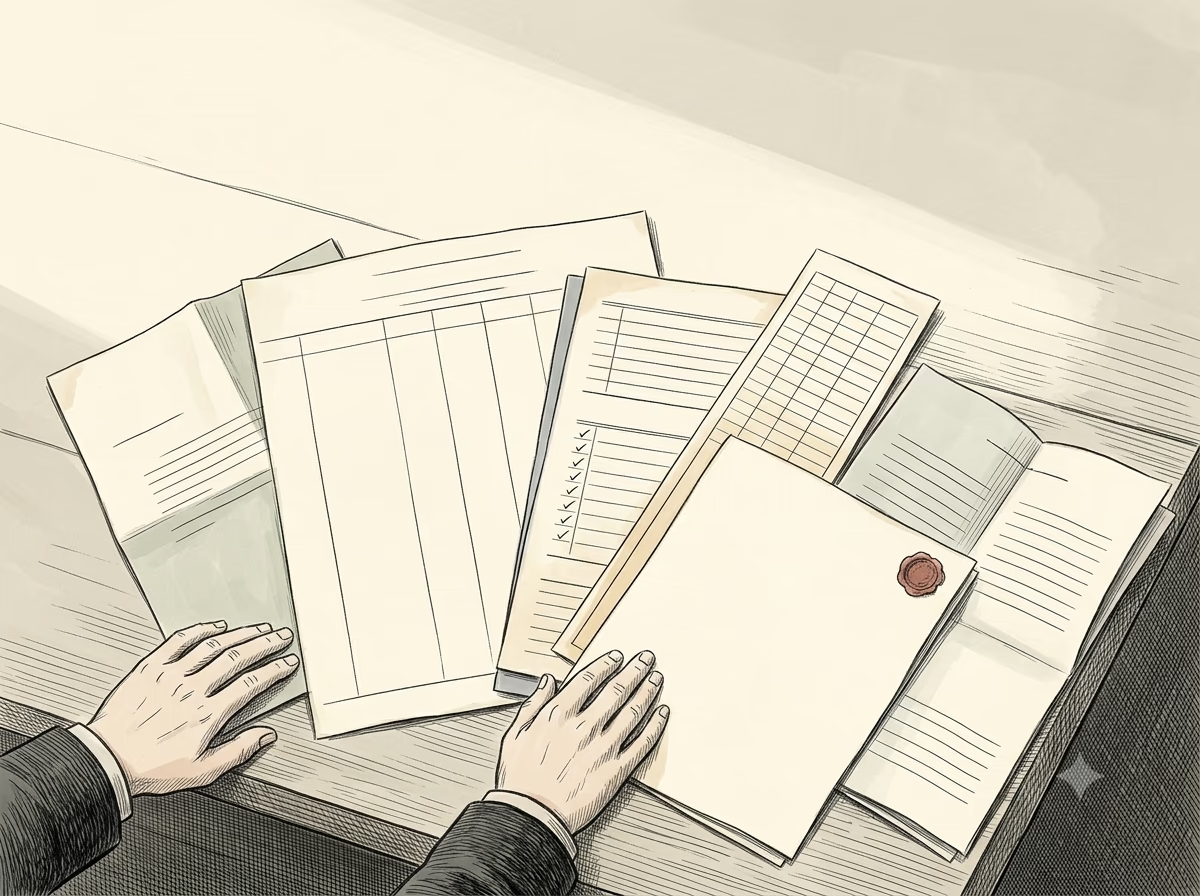
It goes on the pile.
Nobody can quote it until someone reads all six. Your desk has nine more like it, two renewals due Friday, and a referral waiting on a senior signature.

A quarter on a book like this one
- 10,000submissions in
- 7,000eligible
- 500bound
4,500
of the eligible risks never reached a decision at all.
Not declined, never read.
Now put WriteRisk on the desk.
The same Tuesday, the same six documents, the same number of underwriters — with the reading handed to the agents.
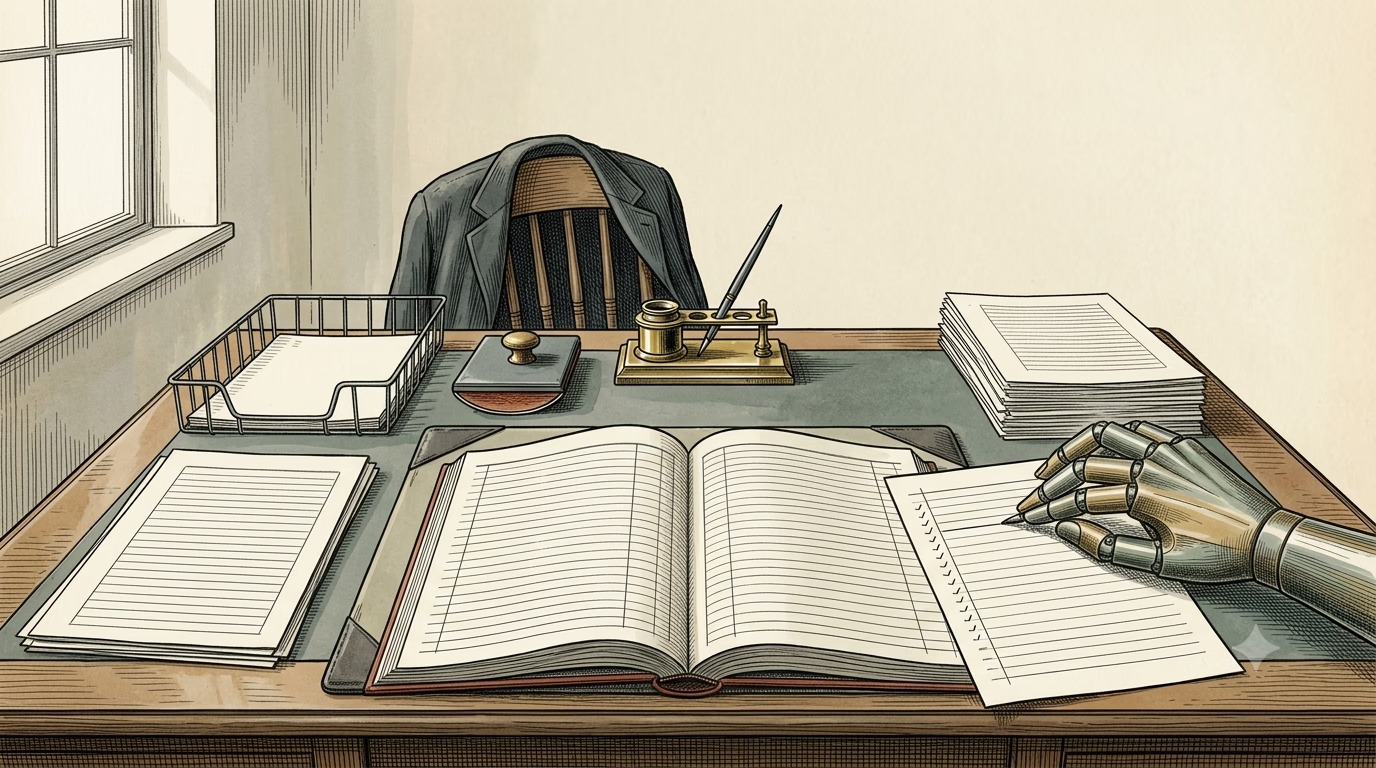
Six documents from the broker. And the six things the documents don't say.
A file can look complete and still hold a contradiction, or a schedule that never arrives. WriteRisk's agents read every page, pull the facts out, and tie each one to the document and page it came from. Then they show both: where the documents disagree, and what the file is missing.
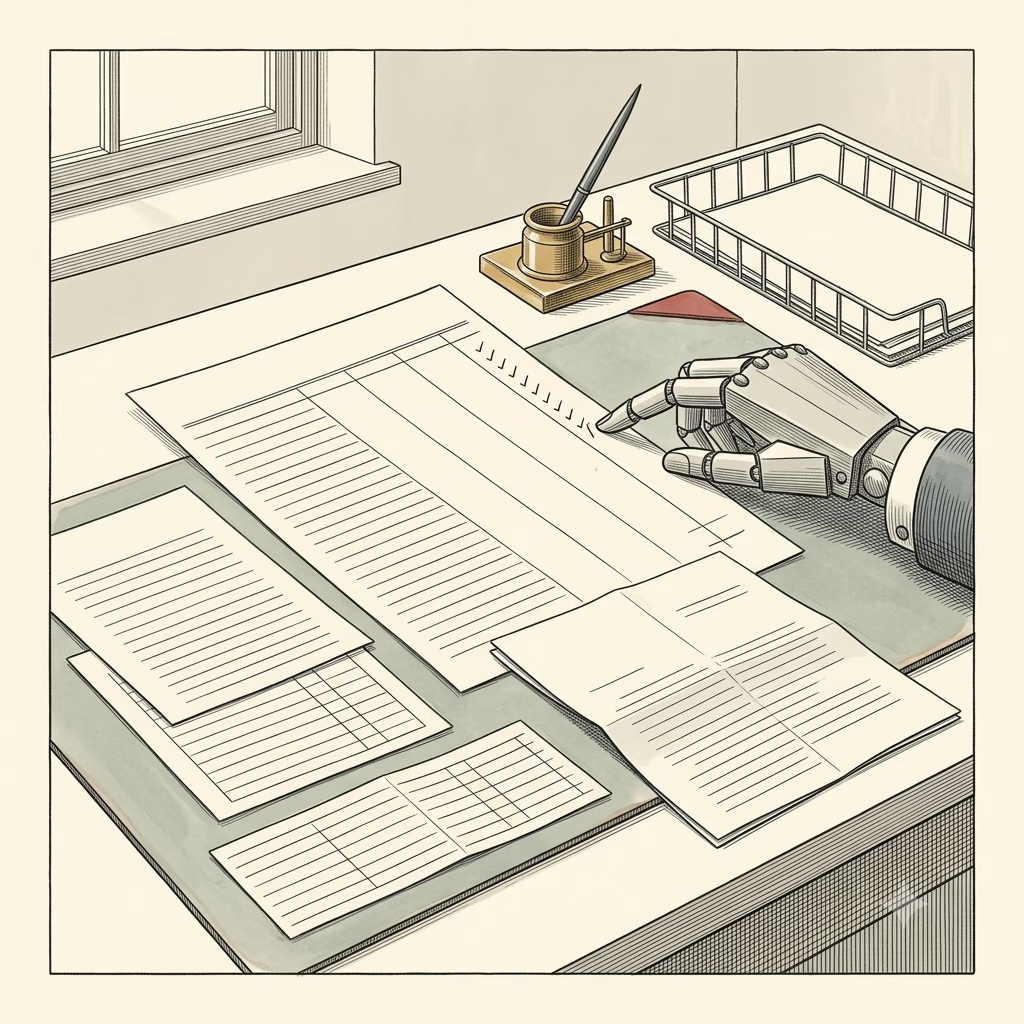
The roof year read 1998 in the inspection and 2003 in the schedule of values. Recorded as a conflict.
The broker sends the file. The agents read the registers outside it.
FEMA holds the flood zone, the county holds the permits, an aerial measurement holds the roof. The inspection history is OSHA's, the litigation is the courts', the sanctions list is OFAC's. The broker sent none of it, and none of it is the desk's guess.
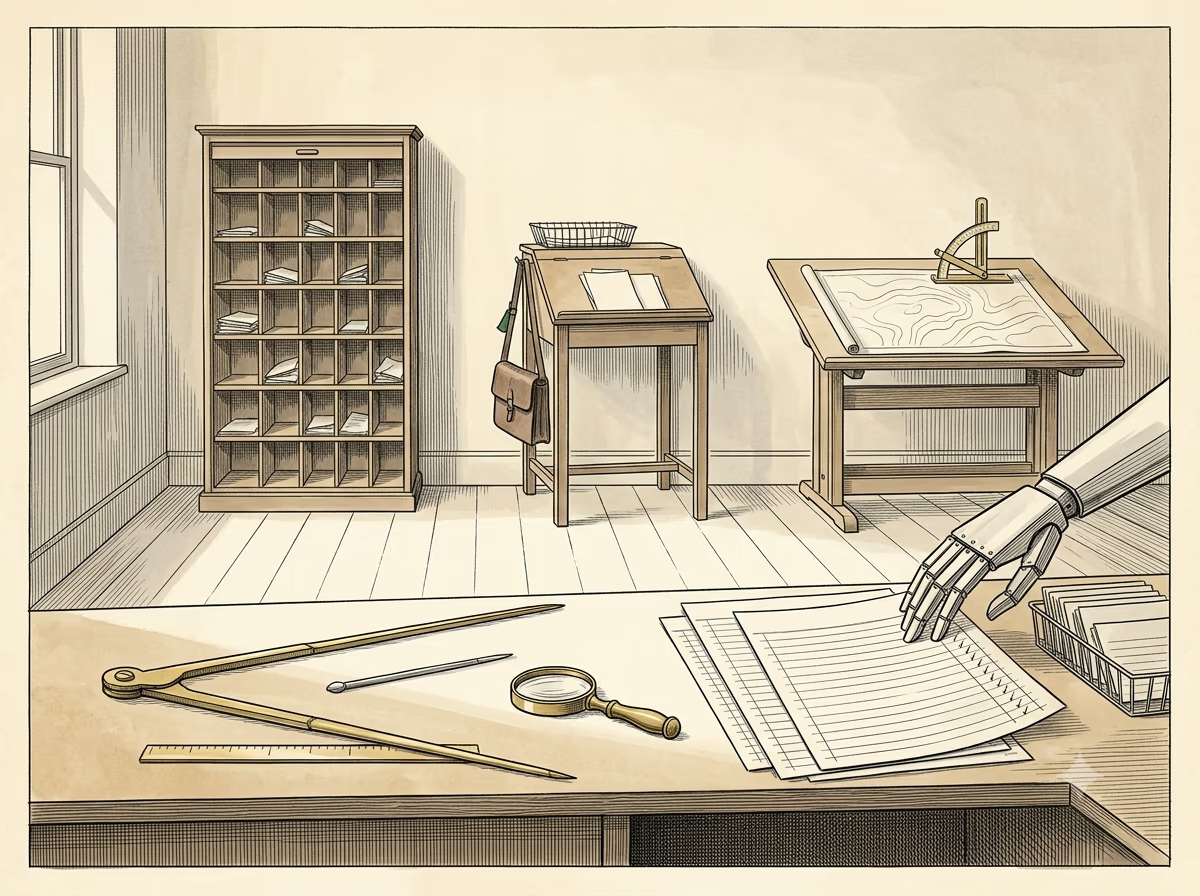
The agents put the research within reach of every underwriter.
The newest underwriter on the desk can sit down with the submission and start asking. The senior who has worked the account for years puts the same questions to the agents. The answers come back on the file, and what each of them works through stays on the record.

Then your own appetite and authority, applied the same way every time.
Every guideline, appetite rule and authority limit your desk works to — checked by name and version, not from memory. What sits outside appetite is said plainly. What needs a referral raises one. And the things a tired eye skips on the fourth read get called out.
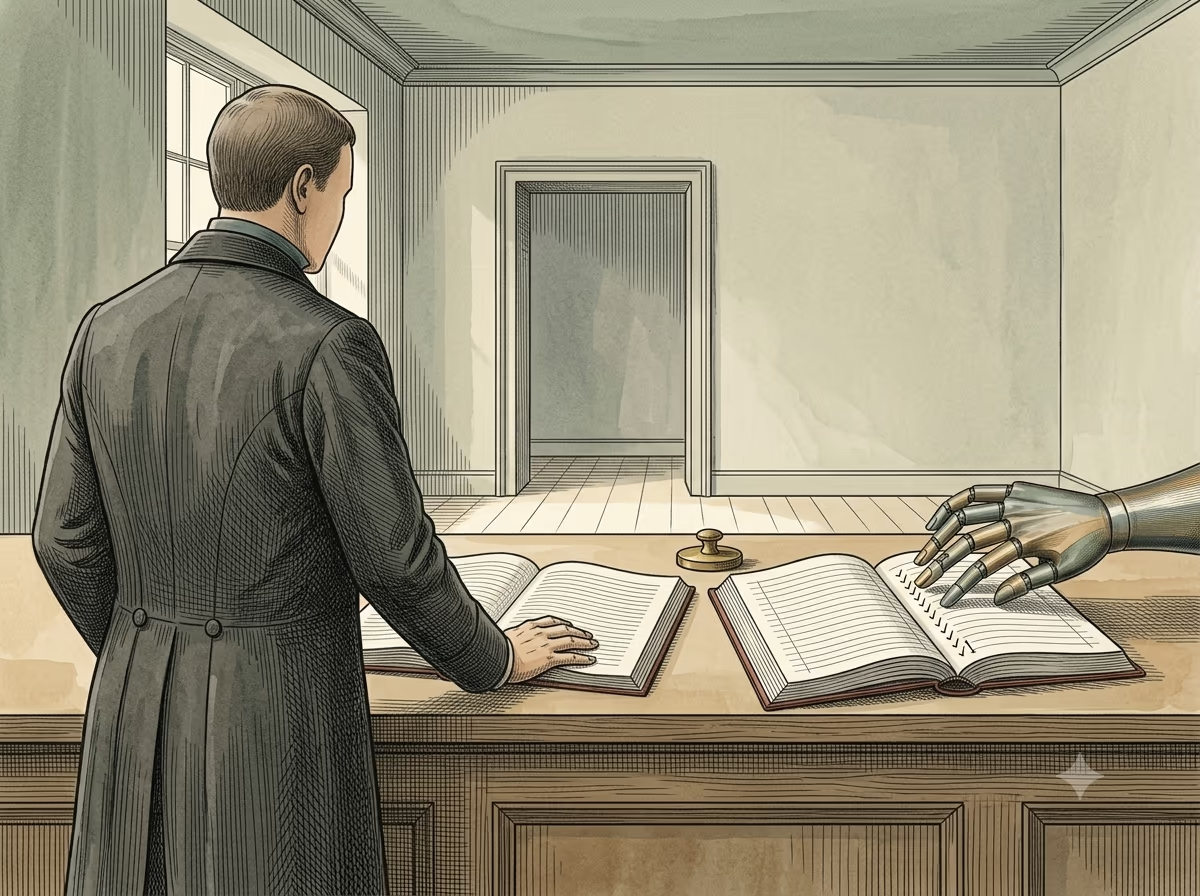
Appetite · Authority · Referral · Guideline — four checks, each citing the rule and the version in force.
What reaches the desk is a decision-ready risk.
Not a pile to triage. Nothing in the file is taken on the desk's word: every fact is traced to the register or document it came from, so you can check the reasoning, not just the answer. The disagreements surfaced for you to resolve, your rules already applied, and everything needing a human eye put first — so the first thing your underwriter does is underwrite.
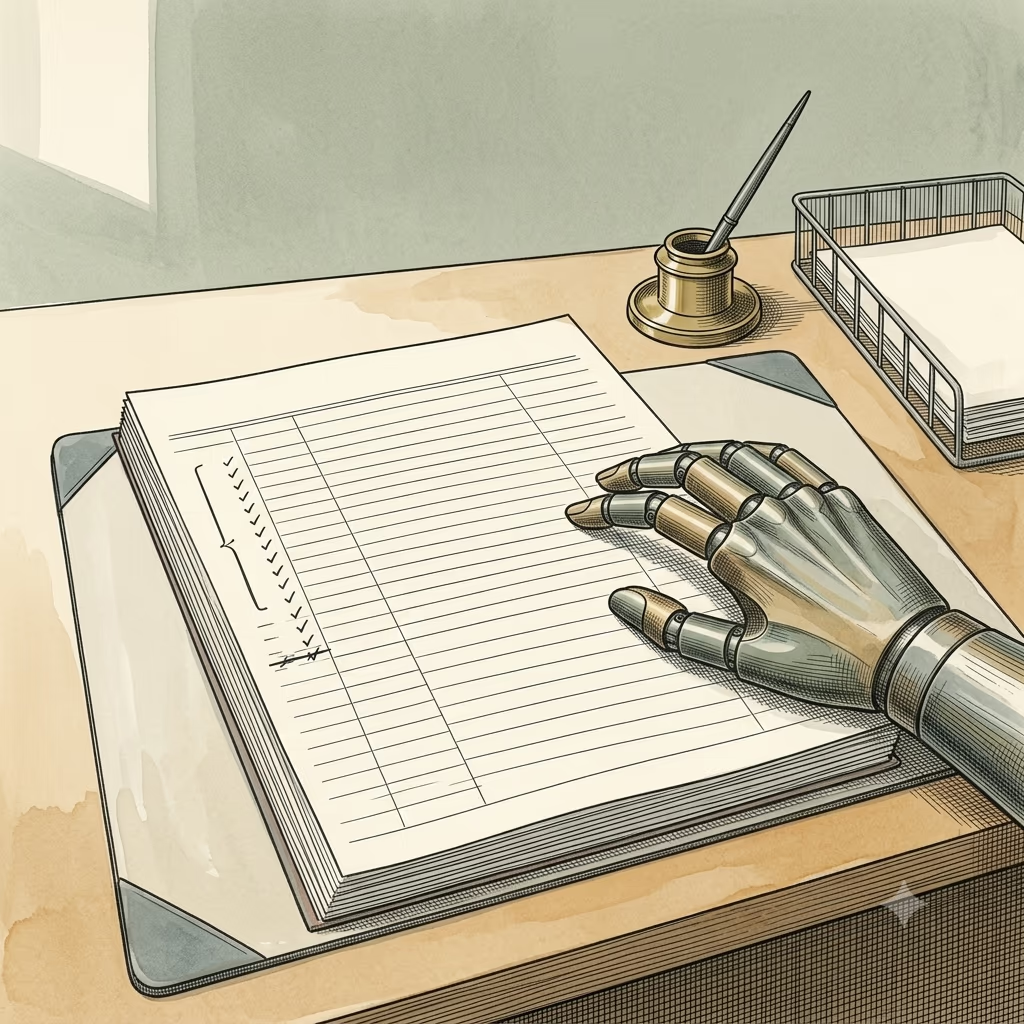
The findings, the write-up, the open questions and the referral — in one place. The record shows who decided what, and when.
The underwriter gets the time back.
No more extracting data from documents. That hour goes on the risk itself — reading the broker, walking the site, asking the question that changes the price, reaching a view they'll stand behind.

The risk that would have gone unread, gets written.
Not by working longer. Across the quarter, the submissions that used to die unread now reach a decision — and the ones that deserve to be bound, get bound.

Same quarter, same eleven underwriters — the risks that never reached a decision now reach one.
Far enough back, the desk is a book.
Each submission the desk works is a line in it. Read together, they show a head of underwriting what the desk writes, at what price, and where the appetite is drifting.

The whole portfolio, in one read.
A head of underwriting can ask where risk is concentrating, how much capacity is left, how the loss ratio is running — across every line and every territory.

Concentration, capacity and loss ratio, cut by line and by territory.
Tomorrow's pile starts smarter.
Every override, every added check, every question a senior underwriter puts to a submission is a judgment worth keeping. The agents read the desk's decisions back, work out which ones mattered, and put them in front of your CUO — who decides which become the desk's routine, and never has to go looking.
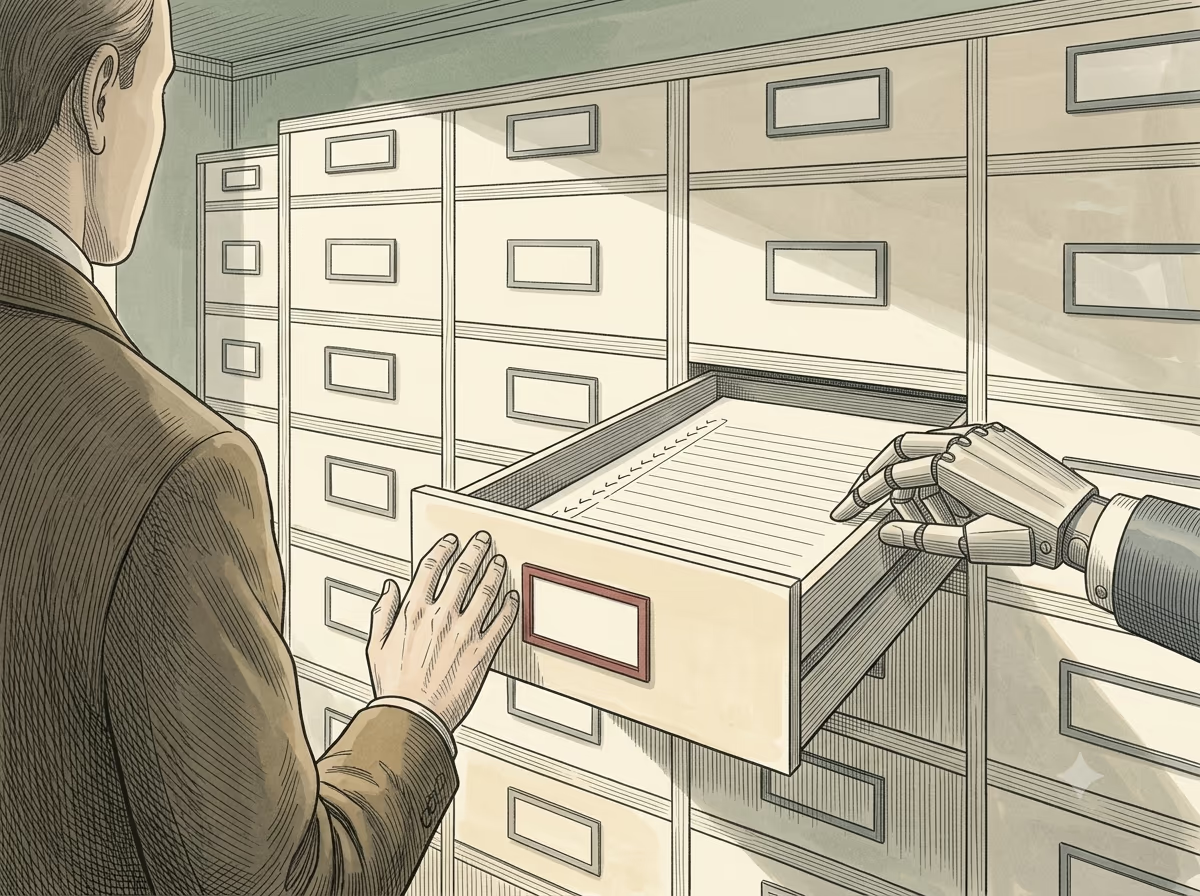
Every override is a lesson the desk only has to learn once.
Send us one of yours.
Put a real submission on the desk. We'll send back the risk view — every fact cited — in about fifteen minutes.